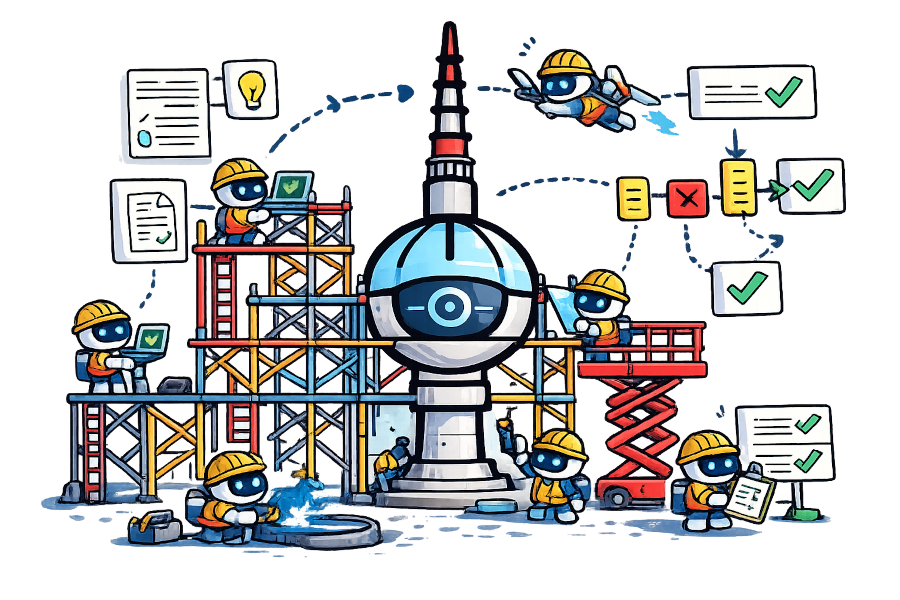
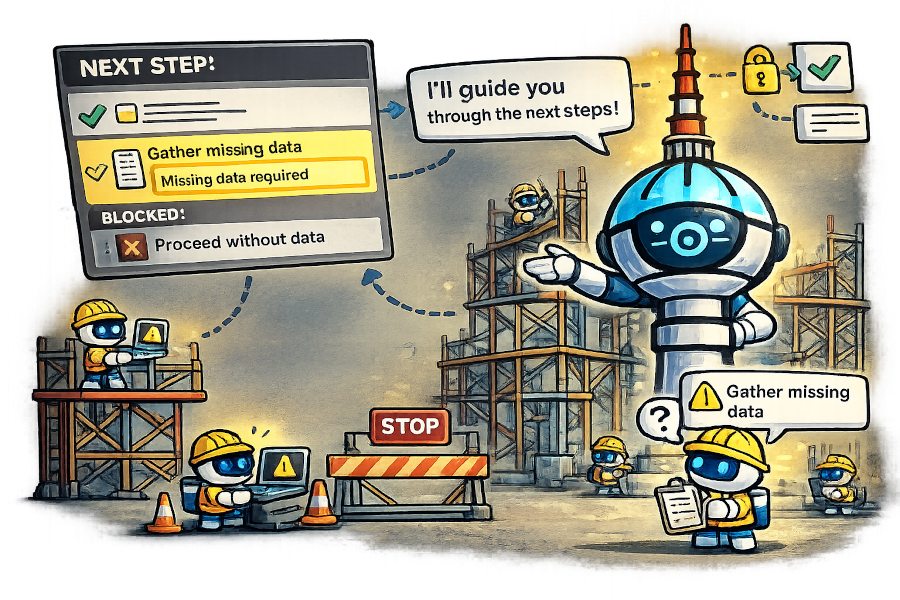

Agents can help with the work. FST decides what counts.
Today, creating an agent often means writing a longer prompt, giving it tools, and hoping it follows the process.
That asks the model to be the worker, rule interpreter, evidence creator, approver, auditor, and completion judge. FST separates those jobs.

Can you get me a 4K monitor?
Use my purchase process.

I found one.
The purchase request is ready to submit.

Orders above $50 need real approval
Approval packet ready.
Waiting for CLI approval.
Approved in CLI.
Submit this exact request.
Approval matches the packet.
Ordering this exact item now.

What is Fernsehturm?
Fernsehturm is the process runtime between your agent and the work it wants to make count.
You define the process: allowed actions, required facts, approvals, gates, and valid outcomes. Fernsehturm guides the agent through that process, enforces the rules, and records what happened.
- [*]Your process becomes executableTurn a personal or company workflow into actions, gates, approvals, evidence, and protected outcomes.
- [*]The agent gets the next valid stepFernsehturm tells the agent what is missing, what it may do next, and when it must ask or wait.
- [*]Protected work cannot skip controlSubmitting, ordering, sending, merging, or marking work complete can require approval and evidence before it counts.
- [*]The run is replayableFernsehturm keeps state, artifacts, routes, approvals, and evidence so the work can be reviewed, resumed, or audited.
The agent does the work. Your process decides what counts.
Why agents still need babysitting
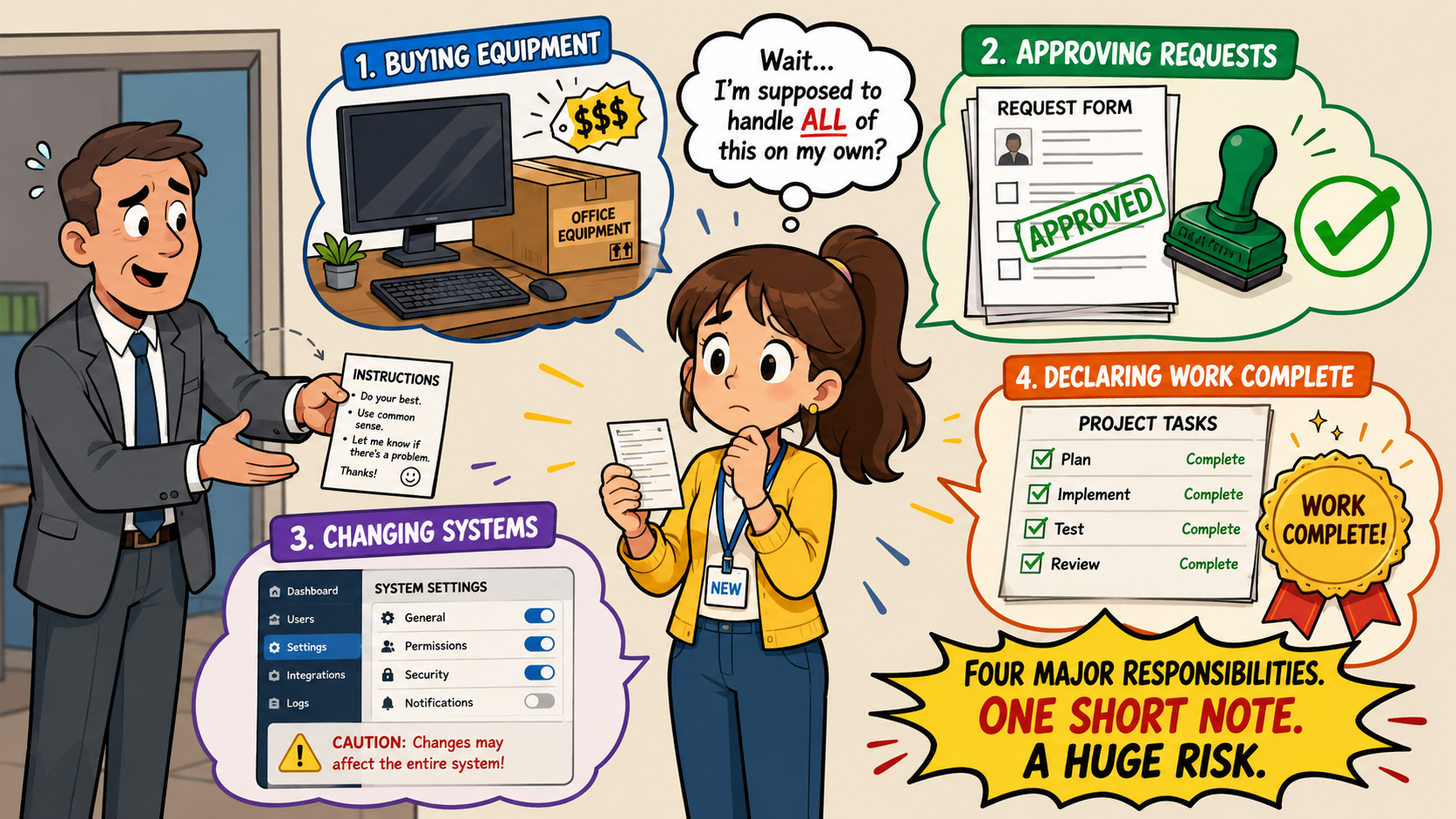
Would you give a new colleague a short instruction sheet and then let her buy equipment, approve requests, change systems, or declare work complete on her own?
That is often how agents are used today: a prompt, tool access, and trust that the process will be followed.
The problem is not that agents cannot help. The problem is that real work needs process memory, authority boundaries, and proof.
Prompting is not control
A prompt can tell an agent to follow rules, but it cannot prove the rules were followed or stop a protected action when the agent skips ahead.
Context gets lost
Long tasks, restarts, handoffs, and tool calls make agents lose track of the current stage, missing facts, approvals, and required evidence.
Tool access becomes too much authority
Once an agent can send, order, merge, delete, or change systems, "be careful" is not enough. The process has to decide when action is allowed.
Done is self-certified
Agents can say the work is complete, but users and organizations need artifacts, approvals, route decisions, and replay before they can trust it.